
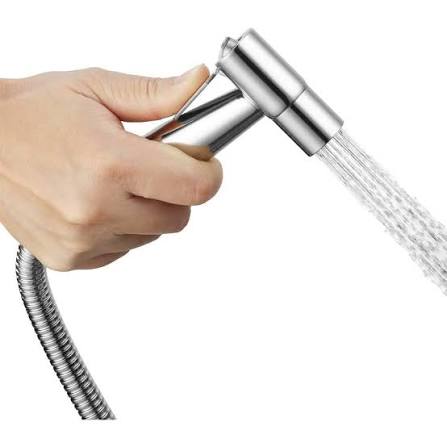
A Muslim shower is a bathroom routine that can combine everyday cleanliness with Islamic practices of personal hygiene. For many Muslims, cleanliness is an important part of daily life, and bathing may be performed for different reasons, including regular hygiene, refreshing after a busy day, or completing ghusl, the full-body purification required in certain circumstances.
Creating a clean and comfortable Muslim shower routine does not have to be complicated. With the right bathroom setup, useful accessories, and a consistent approach to personal hygiene, you can make showering both practical and comfortable. This guide explains how to organize a cleaner bathroom routine while keeping Islamic cleanliness practices in mind.
What Is a Muslim Shower?
The term Muslim shower is commonly used to describe a shower or bathroom setup that supports Islamic hygiene practices. It can include a regular shower, a handheld showerhead, or a dedicated water spray such as a bidet or handheld bidet sprayer.
In many Muslim households, access to water is particularly important for personal cleansing after using the toilet. A handheld water sprayer can make this process easier and more hygienic than relying only on toilet paper.
A Muslim shower can therefore refer to the practical bathroom equipment and routine used to maintain personal cleanliness. It is not necessarily a special type of shower; rather, it is a way of organizing bathroom habits around cleanliness and water-based hygiene.
Why Water Is Important for Personal Hygiene
Water plays an important role in Islamic cleanliness practices. Washing with water can help remove sweat, dirt, and other impurities from the body.
For everyday hygiene, a normal shower can help keep the skin clean and refreshed. When performing ghusl, water is used to wash the entire body according to the relevant Islamic requirements.
Using water also makes bathroom hygiene more practical. A handheld shower or bidet sprayer can provide better control over where water is directed, making personal cleansing easier.
However, good hygiene also involves keeping the shower area itself clean. A clean bathroom supports a more comfortable routine and reduces unpleasant odors, soap buildup, and dirt.
Muslim Shower and Ghusl
It is useful to distinguish between a normal shower and ghusl. A normal shower is generally performed for personal cleanliness, while ghusl is a specific Islamic purification involving washing the body in accordance with Islamic guidance.
The exact details of ghusl can vary according to Islamic school and individual practice. Generally, the purpose is to ensure that water reaches the entire body.
For anyone learning how to perform ghusl, it can be helpful to follow guidance from a trusted and knowledgeable Islamic source rather than assuming that every ordinary shower automatically fulfills every requirement of ghusl.
A Muslim shower setup can make the process convenient by providing reliable access to water and enough space to wash properly.
Choosing the Right Shower Setup
A comfortable bathroom setup can make everyday hygiene much easier. When planning a Muslim shower area, consider the following features:
Handheld Showerhead
A handheld showerhead provides greater control over water direction. It can be useful for washing different parts of the body and rinsing the shower area.
Bidet or Water Sprayer
A handheld bidet sprayer is commonly used for personal cleansing after using the toilet. It allows water to be directed where needed and can be installed beside the toilet.
Non-Slip Flooring
Bathroom floors can become slippery when wet. Non-slip tiles or a suitable bath mat can make the shower area safer.
Good Drainage
Proper drainage prevents water from collecting on the bathroom floor. A well-positioned drain can also make cleaning easier.
Easy-to-Clean Surfaces
Smooth, water-resistant surfaces are generally easier to maintain. Regular cleaning can prevent soap residue, hard-water deposits, and buildup.
A Simple Muslim Shower Routine
A practical routine can help keep both your body and bathroom clean.
Start by preparing the shower area. Make sure towels, soap, shampoo, and other necessities are available before you begin. This reduces unnecessary movement around a wet bathroom.
Next, adjust the water temperature to a comfortable level. Extremely hot water can dry out the skin, while very cold water may be uncomfortable.
Wash the body thoroughly, paying attention to areas where sweat and dirt commonly accumulate. Clean your hair and scalp as needed according to your personal hygiene routine.
If you are performing ghusl, follow the purification method that you have learned from a reliable Islamic source.
After showering, rinse away soap and shampoo from your body and the shower floor. Leaving large amounts of soap residue behind can contribute to slippery surfaces and buildup.
Finally, dry yourself properly and allow the bathroom to ventilate.
Keeping the Muslim Shower Area Clean
A clean bathroom requires regular maintenance. After using the shower, rinse the floor and walls if necessary to remove remaining soap or shampoo.
Clean the showerhead periodically, especially if your home has hard water. Mineral deposits can reduce water flow and affect the performance of the showerhead.
The drain should also be checked regularly. Hair, soap, and other debris can accumulate and slow drainage.
The toilet and surrounding floor should receive regular cleaning as well. If a handheld bidet sprayer is installed, check for leaks and keep the nozzle clean.
Good ventilation is another important part of bathroom maintenance. Opening a window or using an exhaust fan can reduce excess moisture and help prevent unpleasant smells and mold growth.
Hygiene After Using the Toilet
Personal cleansing after using the toilet is an important part of bathroom hygiene for many Muslims. Water can be used to clean the relevant area, with a handheld bidet sprayer being a convenient option.
The sprayer should be used carefully to avoid unnecessary splashing. After cleansing, washing the hands thoroughly with soap is essential.
The bathroom should also be kept dry and clean where possible. Regularly wiping high-use surfaces can help maintain a more hygienic environment.
Common Muslim Shower Bathroom Essentials
You do not need a large collection of products to create an effective bathroom routine. A few basic items can be enough:
- Handheld showerhead
- Bidet or handheld water sprayer
- Body wash or soap
- Shampoo
- Clean towels
- Non-slip bath mat
- Bathroom cleaning products
- Toilet brush
- Drain cleaner or drain-maintenance tools
- Exhaust fan or good ventilation
The most important consideration is that the bathroom remains functional, clean, and comfortable.
Tips for a More Comfortable Routine
Consistency is more important than having an expensive bathroom setup. Clean your shower area regularly rather than waiting for heavy buildup to develop.
Keep personal hygiene products organized so they are easy to access. Replace damp towels regularly and allow them to dry completely between uses.
If several people share the bathroom, establish a simple cleaning schedule. Regularly cleaning the toilet, sink, shower, and floor can make the space more pleasant for everyone.
It is also useful to avoid excessive water use. Cleanliness does not require wasting water. A controlled shower flow can provide sufficient water for personal hygiene while helping reduce unnecessary consumption.
Final Thoughts
A Muslim shower can be understood as a practical bathroom setup and hygiene routine that supports water-based cleansing and Islamic cleanliness practices. Whether you are taking an everyday shower or preparing for ghusl, having reliable access to water, a clean shower area, and appropriate bathroom equipment can make the routine easier.
A good bathroom routine combines personal cleanliness with regular maintenance of the space itself. From a handheld showerhead and bidet sprayer to proper drainage and ventilation, small improvements can make a significant difference.
Ultimately, the goal is simple: maintain personal hygiene, keep the bathroom clean, use water responsibly, and follow the Islamic purification practices that apply to your situation.
