
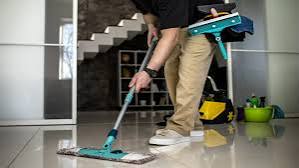
Keeping an apartment or residential strata building clean requires more than simply cleaning individual homes. Shared areas such as entrances, hallways, lifts, staircases, car parks, and rubbish rooms are used by many residents every day and therefore need regular attention.
A well-organised cleaning checklist can help property managers, owners corporations, and cleaning teams make sure important areas are not overlooked. Working with professional strata cleaning contractors Melbourne can also make it easier to maintain a consistent cleaning routine based on the size and requirements of the building.
Why a Strata Cleaning Checklist Is Important
A checklist provides a structured approach to cleaning. Without a clear plan, some common areas may receive regular attention while less visible spaces are forgotten.
A cleaning checklist can help identify:
- Areas that need daily cleaning
- Weekly cleaning tasks
- Periodic deep-cleaning requirements
- High-traffic areas
- Special cleaning requirements
- Areas requiring inspection
For larger buildings, a professional cleaning team can use the checklist to maintain consistency across different sections of the property.
1. Building Entrance Checklist
The entrance is one of the first areas residents and visitors see. It can quickly collect dust, dirt, fingerprints, and footprints.
The entrance checklist may include:
- Sweeping or vacuuming floors
- Mopping hard floors
- Cleaning entrance doors
- Wiping door handles
- Cleaning glass surfaces
- Dusting accessible surfaces
- Removing cobwebs
- Emptying nearby bins
Regular attention to the entrance can help maintain a clean and welcoming appearance.
2. Hallways and Corridors
Hallways are often high-traffic areas in apartment buildings. Dust and dirt can accumulate along floors, corners, skirting boards, and other surfaces.
A hallway cleaning checklist may include:
- Vacuuming carpeted areas
- Sweeping hard floors
- Mopping floors
- Cleaning skirting boards
- Dusting surfaces
- Wiping doors and handles
- Removing visible marks
- Removing cobwebs
The frequency of cleaning should depend on the amount of daily traffic.
3. Staircase Cleaning
Staircases are another important part of a strata building. Residents may use them regularly, and dust can accumulate on steps and handrails.
Cleaning tasks can include:
- Sweeping or vacuuming stairs
- Mopping suitable surfaces
- Wiping handrails
- Cleaning landings
- Removing cobwebs
- Cleaning corners and edges
Handrails should receive particular attention because they are frequently touched.
4. Lift Cleaning
Lifts are enclosed, high-use areas that can quickly develop fingerprints, dust, and marks.
A lift cleaning checklist can include:
- Cleaning lift floors
- Wiping lift doors
- Cleaning mirrors
- Wiping buttons and control panels
- Removing fingerprints
- Dusting corners
- Cleaning accessible walls
Regular lift cleaning can help maintain a professional appearance throughout the building.
5. Car Park Checklist
Shared car parks require regular cleaning because vehicles can bring dirt, leaves, dust, and other debris into the area.
Depending on the property, the checklist may include:
- Sweeping floors
- Removing rubbish
- Cleaning accessible corners
- Clearing leaves and debris
- Checking for visible spills
- Cleaning pedestrian access areas
Some larger car parks may require specialised equipment or periodic deep cleaning.
6. Rubbish Room and Waste Areas
Waste areas should be included in every strata cleaning plan. These spaces can develop unpleasant smells and accumulate spills or loose rubbish.
Cleaning tasks may include:
- Sweeping floors
- Mopping suitable surfaces
- Cleaning accessible walls
- Wiping handles and doors
- Removing loose rubbish
- Cleaning around bins
- Checking for visible spills
Property-specific waste procedures should always be followed.
7. Common Bathrooms
Some residential buildings include shared bathrooms or facilities for residents and visitors. These areas require regular cleaning and sanitation.
The checklist may include:
- Cleaning toilets
- Cleaning sinks
- Wiping taps
- Cleaning mirrors
- Mopping floors
- Emptying bins
- Cleaning touchpoints
- Restocking supplies where applicable
The cleaning frequency should reflect how often the facilities are used.
8. Shared Outdoor Areas
Outdoor common areas may include courtyards, pathways, patios, balconies, or recreational spaces.
A basic outdoor cleaning checklist can include:
- Removing leaves
- Picking up litter
- Sweeping pathways
- Cleaning accessible surfaces
- Emptying outdoor bins
- Removing visible debris
Gardening and landscaping may be separate services depending on the building’s maintenance arrangements.
9. Frequently Touched Surfaces
High-touch surfaces deserve regular attention because many people use them throughout the day.
These can include:
- Door handles
- Lift buttons
- Handrails
- Entry access points
- Shared switches
- Common facility handles
Including these surfaces in the regular cleaning schedule helps maintain the overall cleanliness of shared spaces.
10. Periodic Deep Cleaning
In addition to routine cleaning, some areas may require deeper cleaning at regular intervals.
Periodic tasks can include:
- Deep carpet cleaning
- Detailed window cleaning
- High dusting
- Detailed floor cleaning
- Pressure cleaning where appropriate
- Cleaning difficult-to-reach areas
The frequency of these services can depend on the building’s condition, traffic, and specific requirements.
Choosing Strata Cleaning Contractors
Property managers and owners corporations may choose to work with professional strata cleaning contractors Melbourne to manage regular cleaning requirements.
Before selecting a contractor, it is useful to consider:
- Experience with residential buildings
- Areas included in the service
- Cleaning frequency
- Equipment and products
- Staff availability
- Communication procedures
- Additional cleaning services
- Flexibility for special requirements
A clear agreement should outline what areas are cleaned, how often they are serviced, and which tasks are included.
Creating a Practical Cleaning Schedule
A good cleaning schedule should separate routine tasks from periodic tasks. High-traffic areas may require frequent cleaning, while less-used areas can be maintained according to their level of use.
Property managers can also review the building regularly and update the checklist when requirements change.
For example, if a particular entrance becomes busier, its cleaning frequency may need to increase. Similarly, seasonal conditions may create additional cleaning requirements in outdoor areas.
Final Inspection Checklist
After cleaning, a quick inspection can help identify areas that need additional attention.
Check:
- Entrance and reception areas
- Hallways
- Staircases
- Lifts
- Car parks
- Rubbish areas
- Shared bathrooms
- Outdoor common areas
- High-touch surfaces
Regular inspections can help ensure that cleaning standards remain consistent.
Final Thoughts
A detailed strata cleaning checklist helps keep apartment and residential buildings organised, presentable, and comfortable for residents. From entrances and hallways to lifts, staircases, car parks, and shared outdoor areas, every common space can benefit from a consistent cleaning routine.
For property managers and owners corporations looking for strata cleaning contractors Melbourne, it is important to choose a service that can provide a cleaning plan suited to the property’s size, layout, traffic levels, and specific requirements. A structured checklist combined with regular inspections can make strata cleaning more efficient and consistent over time.
