
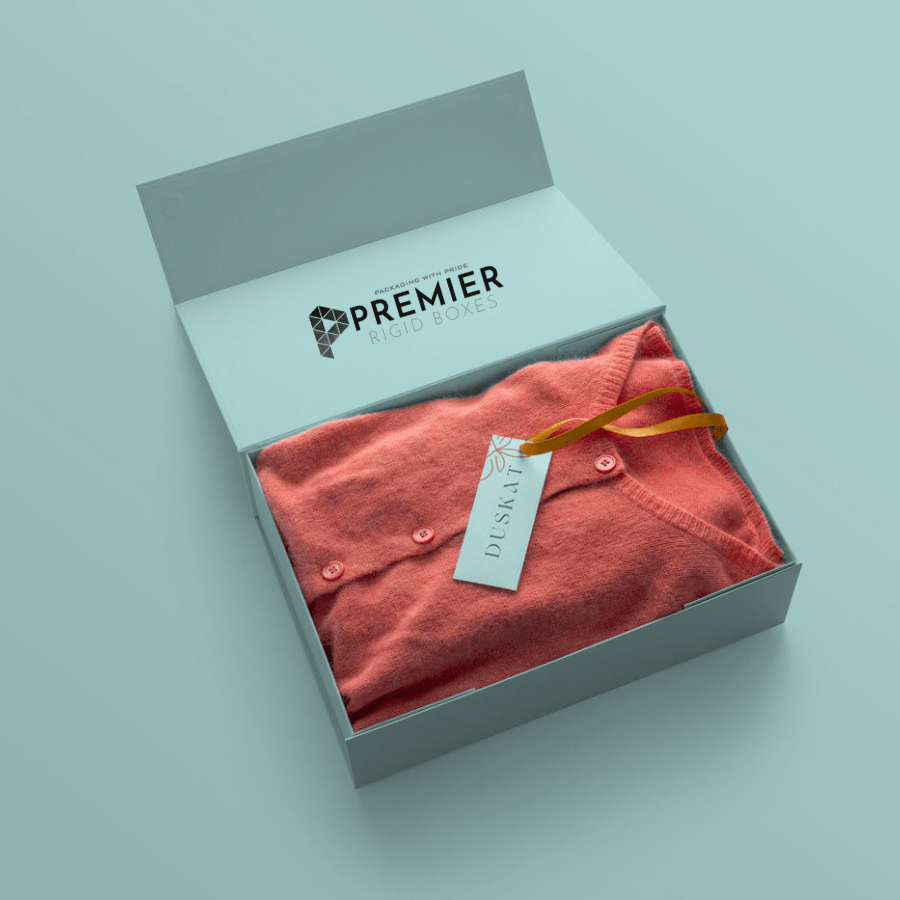
Run an online clothing store long enough, and you’ll hit the same wall eventually. Packaging that looks perfect in a mockup doesn’t always hold up in practice once you’re shipping hundreds or thousands of orders every month. There’s a lot riding on that one box or bag – it needs to protect the garment, keep the per-unit cost from spiraling, handle a wide range of shapes and sizes without needing a dozen different formats, and still leave a decent impression once the customer actually opens it. Juggling all of that is harder than it looks from the outside, and most brands only figure out what actually works after a few rounds of getting it wrong first.
Fit and Flexibility Matter More Than People Expect
Clothing doesn’t come in a single shape, which sounds obvious but still trips up many packaging decisions. A t-shirt folds down small without much fuss. A structured jacket doesn’t fold nearly as well and needs more breathing room to avoid creasing. A dress often needs to lie flat to keep its shape, while a pair of jeans can take a pretty aggressive fold without much visible damage. Packaging designed for one category usually fails for another, which is why many apparel brands end up using multiple packaging formats rather than cramming everything into a single box or bag size.
A few things worth thinking through when it comes to fit:
- How much folding or compression the garment can actually tolerate without wrinkling
- Whether the packaging needs to accommodate multiple sizes of the same item
- Whether delicate details like buttons, embroidery, or embellishments need extra internal space
- How much variation exists across a full product line versus how many box sizes a brand is willing to manage
Brands that push too hard toward one standardized box size tend to end up with wasted space for smaller items and a decent number of creased, squished garments for anything slightly larger than the box was designed around.
Protection Without Overpacking
Clothing requires less structural protection than fragile materials like glass or ceramics, but it’s more vulnerable to shipping damage than many people assume. Wrinkling, snagging, and crushing are the real threats here, not breakage, and that changes what “protective packaging” actually means for apparel compared to most other product categories.
Poly mailers hold up fine for basic, low-cost items that can take some compression without much consequence. Anything structured, delicate, or priced higher usually does better in a box, since a rigid shape keeps the garment’s form intact and stops embellishments from getting crushed against other packages during transit. The mistake a lot of brands make runs in both directions – overpacking basic items in heavy boxes they don’t need, or underpacking premium pieces in flimsy bags that let them get damaged before they ever reach the customer.
Comparing Common Options for Apparel Shipping
| Packaging Type | Protection Level | Cost | Best Suited For |
| Poly mailer bag | Low | Very low | Basic tees, socks, low-cost items |
| Padded mailer | Medium | Low-medium | Slightly delicate but low-cost items |
| Folding carton | Medium-high | Medium | Mid-range apparel, casual wear |
| Rigid box | High | Medium-high | Premium apparel, structured pieces, gifting |
Cost Adds Up Fast at Scale
Packaging decisions that seem minor on a per-unit basis can become a real cost problem as volume climbs. A few cents saved or lost per box add up fast across thousands of monthly orders, which is exactly why many apparel brands spend real time fine-tuning box dimensions, material weight, and void fill instead of just going with whatever looks nicest on a shelf.
Right-sizing packaging to the product is usually the biggest lever here. Oversized boxes cost more to ship, need more filler material, and often waste more packaging material than the garment actually requires. Getting box dimensions closer to a product line’s actual folded size, even by a small margin, tends to save more money at scale than most brands expect going in.
The Unboxing Experience Still Counts
Even with all the practical concerns, the unboxing moment still matters. Customers still post unboxing content, share purchases on social media, and form lasting impressions of a brand based on how a package looks and feels the second it arrives. Practical packaging doesn’t have to mean plain or forgettable – it just means the visual and branding side has to work within the limits of cost and protection instead of ignoring them entirely.
Simple, well-placed branding tends to outperform an overloaded design anyway. A clean logo, a tight color palette, and maybe a printed insert card usually leave a stronger impression than a box covered edge-to-edge in text and graphics competing for attention.
Custom Packaging Doesn’t Have to Mean Huge Minimum Orders
One of the bigger barriers smaller apparel brands used to run into was minimum order quantities on custom packaging. Suppliers wanting orders in the thousands made it nearly impossible for a newer or smaller label to justify stepping away from generic packaging. That’s shifted somewhat, and more suppliers now offer luxury apparel boxes no minimum quantity, which lets smaller brands test premium packaging on a limited run before deciding whether it’s worth scaling across their full catalog.
That flexibility matters a lot for brands still figuring out their packaging strategy. It eliminates the risk of committing to thousands of units of a design that might need adjustments once real customer feedback starts coming in.
FAQ
Do all clothing items need boxed packaging, or are mailer bags fine? Mailer bags work well for basic, low-cost items that can handle folding and compression without damage. Structured or premium pieces generally do better in a box that holds their shape.
How much does box sizing actually affect shipping costs? More than most brands expect. Oversized boxes drive up shipping costs and material use, so sizing packaging closer to a product’s actual folded dimensions can lead to meaningful savings at scale.
Is custom apparel packaging only realistic for large brands? Not anymore. Plenty of suppliers now offer custom packaging with no minimum order quantity, making it accessible to smaller brands that want to test premium packaging before committing to a large order.
What’s the biggest packaging mistake apparel brands make? Treating every product the same. Using a single box size or material across an entire product line usually results in wasted space for some items and inadequate protection for others.
Does sustainable packaging cost more for apparel brands? Not necessarily. Materials like kraft paper and recyclable mailers are often comparable in cost to conventional options, and the sustainability angle can double as a genuine selling point rather than an added expense.
Final Words
Practical apparel packaging isn’t about grabbing the cheapest option or the flashiest-looking one. It’s about matching the packaging to what a specific garment actually needs – enough protection to survive shipping, a reasonable cost at scale, and a presentation that still leaves a decent impression when the box gets opened. Brands that get this balance right usually aren’t spending the most on packaging. They’re just spending it more deliberately, on the parts that actually matter for what they’re shipping.
